01
July
The Stranglers
Peste & Sida
Unsafe Space Garden
On July 1st, the Jardins do Marquês Festival hosts an evening dedicated to rock that spans generations. The British The Stranglers, one of the most influential bands in the history of punk and alternative rock, will take the stage at Oeiras Valley for a concert that covers several decades of their career and some of the most notable songs of the genre.
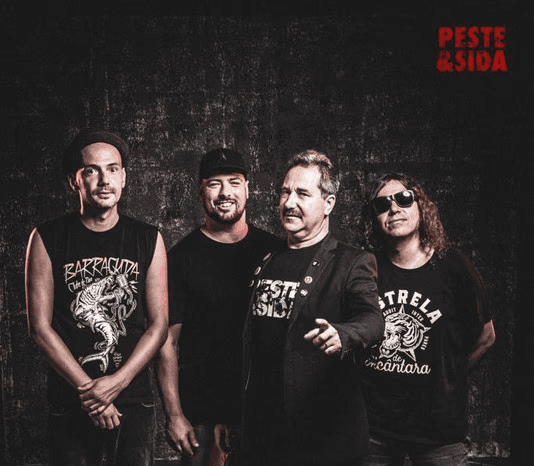
Opening the evening will be Peste & Sida, an undeniable reference in Portuguese rock. With nearly four decades of history, the band maintains a strong connection with the audience and a stage presence marked by the energy and intensity that characterize their repertoire.
This meeting between two bands from different geographies reinforces the diversity of the programming of the Jardins do Marquês Festival.
SCHEDULE
Doors open: 6:30 PM. Opening act starts: 7:30 PM. The event ends around 11:00 PM.
USEFUL INFO
HOW TO ARRIVE

MAIN STAGE
The Stranglers
Formed in 1974, The Stranglers emerged in the context of the late-1970s punk movement, but quickly transcended labels. Their unique sound, marked by unmistakable bass lines, dark keyboards, and a raw attitude, placed them in a territory of their own, where punk, new wave, and sophisticated rock coexist. In just 13 months they released three essential albums: Rattus Norvegicus, No More Heroes, and Black and White, which gave rise to classics such as Peaches, No More Heroes, and Walk On By.
MAIN STAGE
Peste & Sida
Peste & Sida is a Portuguese rock band formed in the summer of 1986 in Lisbon. The band consisted of João San Payo (bass), Luís Varatojo (guitar), Eduardo Dias (drums), and João Pedro Almendra, who joined the group to handle the vocals; Orlando Cohen joined shortly after. They participated for the first time in the 4th Modern Music Contest of Rock Rendez-Vous, but in the meantime, they secured a recording contract with the independent label Transmédia and promptly released the LP Veneno. This album reveals a Peste & Sida close to the punk aesthetic in songs like Veneno, Furo na Cabeça, Gingão, and Carraspana.

Nortada Stage
Unsafe Space Garden
Formed in Guimarães, Unsafe Space Garden have built a singular path in contemporary Portuguese music, blending humor, social awareness, and sonic experimentation. Moving between indie, electronic music, funk, and Portuguese oral tradition, the collective has turned concerts into spaces for gathering and sharing, where music, theater, and direct communication with the audience coexist naturally. In 2026, they present The Best and Worst of Biological Music, a new album sung entirely in Portuguese that consolidates an artistic identity already recognized both inside and outside the country.
01
July
The Stranglers
Peste & Sida
Unsafe Space Garden
On July 1st, the Jardins do Marquês Festival hosts an evening dedicated to rock that spans generations. The British The Stranglers, one of the most influential bands in the history of punk and alternative rock, will take the stage at Oeiras Valley for a concert that covers several decades of their career and some of the most notable songs of the genre.
Opening the evening will be Peste & Sida, an undeniable reference in Portuguese rock. With nearly four decades of history, the band maintains a strong connection with the audience and a stage presence marked by the energy and intensity that characterize their repertoire.
This meeting between two bands from different geographies reinforces the diversity of the programming of the Jardins do Marquês Festival.
SCHEDULE
Doors open: 6:30 PM. Opening act starts: 7:30 PM. The event ends around 11:00 PM.
USEFUL INFO
HOW TO ARRIVE
MAIN STAGE
The Stranglers
Formed in 1974, The Stranglers emerged in the context of the late-1970s punk movement, but quickly transcended labels. Their unique sound, marked by unmistakable bass lines, dark keyboards, and a raw attitude, placed them in a territory of their own, where punk, new wave, and sophisticated rock coexist. In just 13 months they released three essential albums: Rattus Norvegicus, No More Heroes, and Black and White, which gave rise to classics such as Peaches, No More Heroes, and Walk On By.
MAIN STAGE
Peste & Sida
Peste & Sida is a Portuguese rock band formed in the summer of 1986 in Lisbon. The band consisted of João San Payo (bass), Luís Varatojo (guitar), Eduardo Dias (drums), and João Pedro Almendra, who joined the group to handle the vocals; Orlando Cohen joined shortly after. They participated for the first time in the 4th Modern Music Contest of Rock Rendez-Vous, but in the meantime, they secured a recording contract with the independent label Transmédia and promptly released the LP Veneno. This album reveals a Peste & Sida close to the punk aesthetic in songs like Veneno, Furo na Cabeça, Gingão, and Carraspana.
Nortada Stage
Unsafe Space Garden
Formed in Guimarães, Unsafe Space Garden have built a singular path in contemporary Portuguese music, blending humor, social awareness, and sonic experimentation. Moving between indie, electronic music, funk, and Portuguese oral tradition, the collective has turned concerts into spaces for gathering and sharing, where music, theater, and direct communication with the audience coexist naturally. In 2026, they present The Best and Worst of Biological Music, a new album sung entirely in Portuguese that consolidates an artistic identity already recognized both inside and outside the country.